
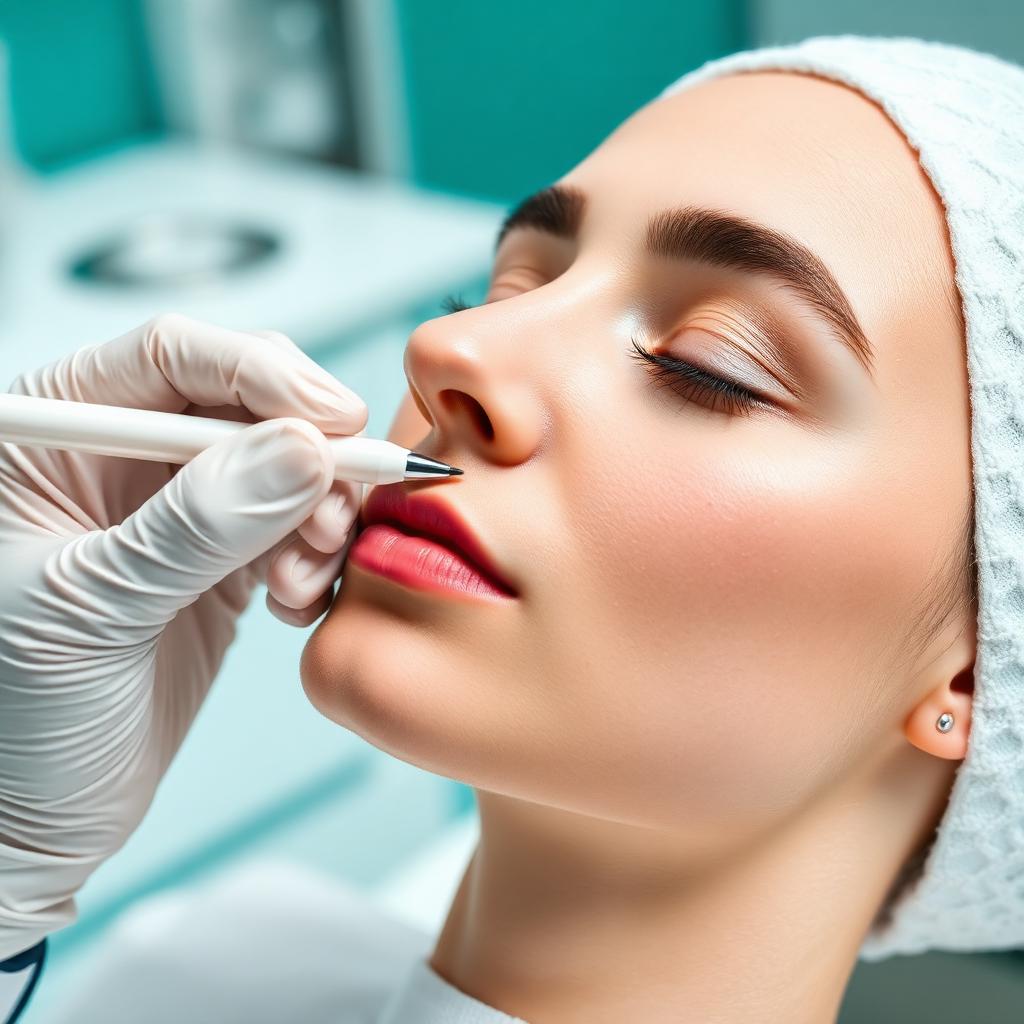
Understanding Dermal Fillers for Cheeks
Dermal fillers, most commonly comprised of hyaluronic acid brands like Juvederm or Restylane, are the most popular non-surgical option for cheek enhancement. These injectable gels provide instant volume and can be precisely molded by a practitioner to create high fashion cheekbones or a subtle, soft lift. The procedure is performed in-office in under 30 minutes with no downtime, making it a favorite for busy Miami professionals.
The primary advantage of fillers is their reversibility and predictability. If a patient is unhappy with the volume, an enzyme called hyaluronidase can dissolve the product immediately. However, fillers are temporary solutions, typically lasting between 12 to 18 months depending on the specific product used and the individual’s metabolic rate.
The Science of Facial Fat Transfer
Facial fat transfer, also known as fat grafting, involves harvesting fat from one part of your body—such as the abdomen or thighs—via liposuction, purifying it, and injecting it into the cheeks. Because it uses the patient’s own biological tissue, there is zero risk of an allergic reaction or rejection. This method is often viewed as a more "natural" approach to facial rejuvenation.
Unlike synthetic fillers, a significant portion of the transferred fat that establishes a blood supply becomes permanent. This makes fat transfer a long-term solution for volume loss. While the initial procedure is more invasive and requires a longer recovery period, the results can age naturally with the patient for a decade or more.
Comparing Recovery and Results
When choosing between these treatments, recovery time is a major factor. For cheek fillers, patients may experience minor swelling or bruising for 2 to 3 days but can generally return to social activities immediately. In contrast, fat transfer involves two sites of recovery—the harvest site and the face. Patients should expect significant swelling for at least one to two weeks, which is a critical consideration in Florida’s humid climate where inflammation can persist.
The aesthetic result also differs slightly. Fillers tend to provide a more structured, sculpted look, which is excellent for creating definition. Fat transfer provides a softer, more generalized volume that can improve overall skin quality due to the presence of stem cells in the adipose tissue.
Cost Analysis and Longevity in Miami
Pricing for cheek fillers in Miami typically ranges from $800 to $2,500 per session, depending on the volume required. While the upfront cost is lower, the need for annual maintenance can make fillers more expensive over a lifetime. Fat transfer is a surgical procedure with a higher initial price tag, often ranging from $4,000 to $8,000, but it often proves more cost-effective over several years since it rarely requires repeat treatments.
Ultimately, the best choice depends on your long-term goals and whether you are ready for a surgical intervention. Many patients start with fillers to "test drive" their new look before committing to the permanent results of a fat transfer. A consultation with a board-certified specialist is essential to determine which method aligns with your facial anatomy and health history.
Find Aesthetic Providers Near You
Hippo can help you find healthcare providers that match your insurance, language, location, and healthcare needs.
Related guides

Botox vs Dysport: Which One Lasts Longer?
Explore the differences between Botox and Dysport, including their formulas, results, and which injectable typically offers the longest-lasting results.
Read guide
Lip Fillers: Everything You Need to Know
Discover everything about lip fillers, from Miami pricing and top brands like Juvederm to procedure steps and recovery tips for a perfect pout.
Read guide
Microneedling vs RF Microneedling
Explore the differences between traditional microneedling and RF microneedling to choose the best skin rejuvenation treatment for your aesthetic goals.
Read guide
Best Non-Surgical Anti-Aging Treatments
Discover the top non-surgical anti-aging treatments in Miami to rejuvenate your skin, from Botox and dermal fillers to advanced laser resurfacing.
Read guide
CoolSculpting vs Liposuction
Explore the key differences between CoolSculpting and Liposuction, including recovery time, costs, and results, to help you choose the best fat reduction method.
Read guide
Botox for Men
Discover how Botox for men, or 'Brotox,' is helping Miami professionals look refreshed and competitive by smoothing wrinkles while maintaining a masculine appearance.
Read guide