
What Is Urgent Care?
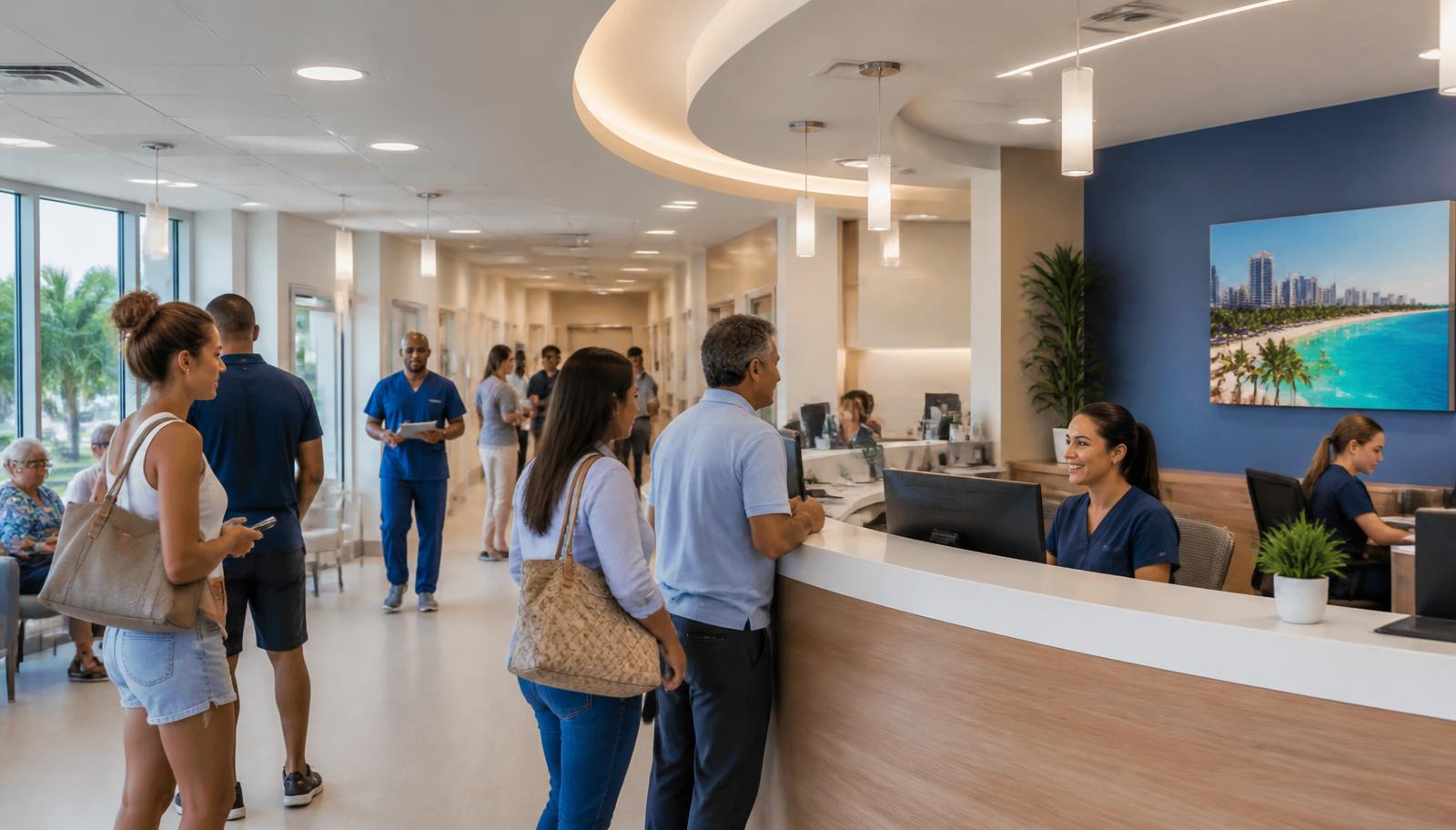
Urgent care is a middle ground between your primary care doctor and the emergency room. It handles illnesses and injuries that need prompt attention but are not life-threatening. Most urgent care clinics in Miami are open evenings and weekends, and they accept walk-ins without an appointment.
Services commonly include X-rays, basic lab tests, stitches, splints, flu and COVID-19 testing, IV fluids, and treatment for infections, rashes, and minor asthma flares. Because urgent care is less expensive and faster than the ER for these issues, it is often the right choice for same-day problems.
Hippo tip
ER vs Urgent Care vs Telehealth
Choosing the wrong setting can cost you time and money. Use this simple framework:
| Setting | Best for | Typical cost |
|---|---|---|
| Primary care | Routine checkups, chronic conditions, non-urgent issues | Copay or $100-$200 self-pay |
| Telehealth | Prescription refills, rashes, mild infections, colds | $40-$90 per visit |
| Urgent care | Same-day needs: sprains, cuts, fever, ear infections, mild asthma | $100-$250+ self-pay |
| Emergency room | Life-threatening or severe symptoms | $1,000-$3,000+ self-pay |
Go to the ER or call 911 for chest pain, severe shortness of breath, signs of stroke (sudden weakness, facial drooping, slurred speech), severe bleeding, major head injuries, severe abdominal pain, or high fever in an infant.
Common Reasons to Visit Urgent Care
Urgent care in Miami is a practical option for a wide range of issues. If you are unsure whether your condition qualifies, calling ahead is almost always faster than sitting in the ER for a non-emergency.
- Cuts, burns, or wounds that may need stitches or dressing
- Sprains, strains, and minor fractures
- Fever, flu, cold, sore throat, or ear infection
- Urinary tract infections and mild abdominal pain
- Skin rashes, insect bites, or allergic reactions without breathing difficulty
- Back pain, mild asthma flare, or eye irritation
Cost and Insurance
Urgent care is almost always less expensive than the ER. For insured patients, the copay is typically similar to a primary care visit. For uninsured patients, a basic visit in Miami usually ranges from $100 to $250, plus additional charges for procedures, X-rays, labs, or medications.
Before you go, check:
- Whether the clinic is in-network for your plan
- What your copay or deductible responsibility is
- Whether the clinic posts self-pay prices upfront
- If you can check in online to reduce wait time
Wait Times and Check-In
Miami urgent care wait times fluctuate based on location and time of day. Mornings and mid-week are usually quieter. Evenings, weekends, and holiday weekends tend to be busier. Many chains offer live wait time estimates on their websites or apps.
Online check-in does not guarantee you will be seen immediately, but it can hold your place in line and reduce the time you spend in the waiting room. If you have symptoms that could be contagious, call ahead so the clinic can guide you on arrival procedures.
Miami Urgent Care Locations
Miami-Dade has urgent care centers across the county, from Miami Beach and Brickell to Doral, Kendall, Hialeah, and Aventura. Major providers include hospital-affiliated systems such as UHealth, Baptist Health, and Jackson Health, as well as national chains like Concentra and MD Now.
When choosing a location, consider proximity to home or work, hours of operation, whether they offer pediatric care, and whether they accept your insurance. Some clinics have on-site X-ray and lab equipment, while others send tests to outside labs.
How to Choose a Clinic
For a non-emergency visit, the best clinic is the one that gets you treated quickly, correctly, and affordably. Compare these factors:
- Distance from your home or work
- Hours, including evenings and weekends
- Insurance acceptance and self-pay pricing
- On-site X-ray, lab, and pharmacy services
- Patient reviews and estimated wait times
What to Bring
Having your information ready makes registration faster and helps the clinic provide safer care. Bring:
- Photo ID
- Insurance card
- List of current medications, allergies, and medical conditions
- Payment method for copay or self-pay fees
- For children, a parent or guardian ID and the child's insurance card
Frequently Asked Questions
Find Verified Urgent Care in Miami
Same-day care shouldn't mean guesswork. With Hippo Intelligence you can compare walk-in clinics by location, hours, accepted insurance, languages, and verified profiles.
Explore related care
This article is for general educational purposes and is not medical advice. Always consult a licensed medical professional about your individual needs.
Top urgent care centers in Miami
The standout, highly rated centers for urgent care — verified providers first.
See all urgent care centers